Walk into almost any mall and you’ll see the same choice repeated over and over. A $10 shirt on one rack, a $45 shirt on another. Same basic shape, wildly different price.
That price gap raises an obvious question. Is premium clothing actually better, or are you just paying more for a label?
This article breaks down the real differences between premium clothing and fast fashion across quality, cost, style, and long-term value, so you can decide what actually makes sense for your wardrobe.
Understanding the Core Difference
Before comparing the two, it helps to define what separates them in the first place.
What Counts as Fast Fashion
Fast fashion refers to clothing produced quickly and cheaply to keep up with rapidly changing trends. Speed and low cost are prioritized over durability or craftsmanship.
What Counts as Premium Clothing
Premium clothing focuses on better materials, careful construction, and thoughtful design. It’s made to last through repeated wear rather than a single season.
Fabric Quality: The Biggest Divide
Fabric is often where the difference between the two becomes most obvious.
Fast Fashion Fabrics
Fast fashion typically relies on thin, synthetic-heavy blends designed to keep production costs low. These fabrics often pill, fade, or lose shape after just a handful of washes.
Premium Clothing Fabrics
Premium clothing tends to use higher-grade cotton, wool, or well-balanced natural blends. A premium t-shirt, for example, usually feels noticeably heavier and holds its shape far longer than a fast fashion equivalent.
Construction and Craftsmanship
The way a garment is built matters just as much as the fabric itself.
Fast Fashion Construction
Speed-focused manufacturing often means looser stitching, minimal reinforcement, and cut corners in areas like collars, hems, and seams.
Premium Clothing Construction
Premium clothing typically includes reinforced seams, proper interfacing, and more attention to structural details that keep the garment intact through regular wear and washing.
Cost Comparison Over Time
The upfront price tag doesn’t tell the full financial story.
The Illusion of Cheap Prices
A $10 fast fashion shirt seems like an obvious deal until it stretches out or fades within a few months, forcing another purchase.
Cost Per Wear Tells a Different Story
A premium t-shirt priced at $40 but worn consistently for two or three years often ends up cheaper per wear than repeatedly replacing fast fashion basics.
Hidden Costs of Fast Fashion
Frequent replacement isn’t just a financial cost. It also adds time spent shopping, more decision fatigue, and more clutter in your closet.
Style Longevity and Trend Sensitivity
How well clothing ages style-wise is just as important as how well it physically holds up.
Fast Fashion Chases Trends
Fast fashion is designed to capitalize on short-term trends, meaning pieces often look outdated within a single season.
Premium Clothing Favors Timelessness
Premium clothing, particularly pieces built around luxury style, tends to favor classic cuts and neutral tones that remain relevant far longer than trend-driven pieces.
Fit and Overall Appearance
Fit plays a massive role in how clothing actually looks once worn.
Fast Fashion’s One-Size-Fits-Most Problem
Many fast fashion brands rely on generic sizing and cuts designed to fit as many body types as possible, often resulting in a boxy or ill-fitting silhouette.
Premium Clothing’s Tailored Approach
Premium clothing is generally designed with more precise sizing and tailoring in mind, contributing directly to a more polished, premium look.
Environmental Impact
Sustainability has become a major factor in this comparison.
Fast Fashion’s Environmental Toll
The fast fashion industry is well known for high water usage, chemical dyes, and significant textile waste due to its rapid production and disposal cycle.
Premium Clothing’s Lower Footprint
While not perfect, premium clothing brands often produce smaller quantities with more durable materials, resulting in less waste over time simply because items last longer.
Where Affordable Premium Brands Fit In
One common argument against premium clothing is accessibility, but that’s changing.
Yard of Deal is a good example of this shift, offering better fabric quality and construction while keeping prices reasonable, closing the gap between fast fashion pricing and premium quality.
Why This Matters in the Comparison
Brands like Yard of Deal challenge the assumption that you have to choose between affordability and quality, offering a middle ground that fast fashion simply can’t match in durability.
What to Check When Choosing Between Options
Whether comparing Yard of Deal to fast fashion alternatives or evaluating other brands, always check fabric composition, stitching quality, and customer reviews on longevity before deciding.
When Fast Fashion Might Still Make Sense
To be fair, fast fashion isn’t without its use cases.
One-Time Events or Trends
For a costume, a single trendy event, or an item you know you’ll only wear once or twice, fast fashion’s low upfront cost can make practical sense.
Budget Constraints
For those on extremely tight budgets, fast fashion may be the only realistic option in the short term, even with its long-term downsides.
Why Premium Clothing Wins for Everyday Wardrobes
For the core pieces you wear repeatedly, premium clothing consistently outperforms fast fashion.
Better Value Over Time
Despite the higher upfront cost, premium clothing’s durability means it typically works out cheaper over months and years of regular use.
A More Consistent Premium Look
Because premium clothing holds its shape and color, it consistently delivers a more polished, premium look compared to fast fashion that degrades quickly.
Supports a More Defined Luxury Style
Premium clothing’s focus on fit and fabric naturally supports a more cohesive, timeless luxury style, rather than a closet full of mismatched trend pieces.
Making the Transition From Fast Fashion to Premium Clothing
Switching over doesn’t have to happen overnight.
Start With High-Wear Items
Replace your most-worn items first, like everyday t-shirts and jeans, with premium alternatives before overhauling your entire wardrobe.
Prioritize Versatile Basics
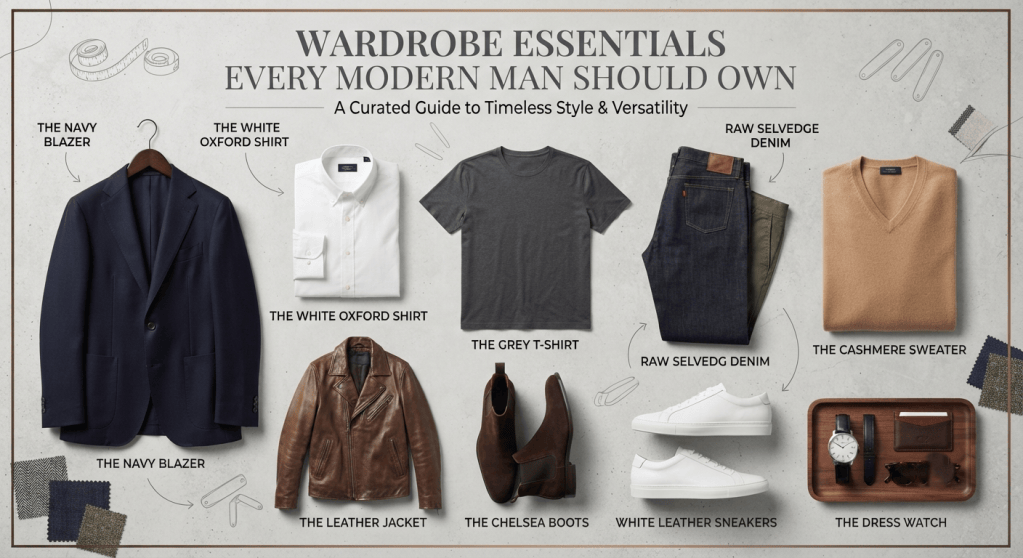
A quality premium t-shirt in a neutral color offers more long-term value than a trendy fast fashion piece you’ll stop wearing within months.
Gradually Phase Out Fast Fashion
As fast fashion items wear out, replace them thoughtfully with better-made alternatives rather than repurchasing the same low-quality options.
FAQ Section
Q1: Is premium clothing really better than fast fashion? In most cases, yes. Premium clothing offers better durability, cost per wear, and overall appearance compared to fast fashion.
Q2: What’s the biggest difference between a premium t-shirt and a fast fashion one? Fabric quality and construction. A premium t-shirt uses heavier, more durable fabric and stronger stitching that holds up over time.
Q3: Is Yard of Deal a good alternative to fast fashion brands? Yard of Deal offers quality fabric and construction at accessible prices, making it a strong alternative for those wanting to move away from fast fashion.
Q4: Does fast fashion ever make sense to buy? For one-time events or extremely tight budgets, fast fashion can be a practical short-term option, though it isn’t ideal for everyday wardrobe staples.
Q5: Can I build a luxury style wardrobe without fast fashion? Yes. Focusing on quality basics, neutral colors, and proper fit allows you to build a luxury style wardrobe entirely without relying on fast fashion.
Q6: How can I switch from fast fashion to premium clothing without overspending? Start by replacing your most-worn items first, and gradually phase out fast fashion pieces as they wear out rather than replacing everything at once.
Conclusion
When comparing premium clothing to fast fashion, the numbers and the experience both point in the same direction. Premium clothing consistently offers better durability, a more polished premium look, and stronger long-term value.
With brands like Yard of Deal making quality more accessible, there’s less reason than ever to settle for fast fashion. Building a wardrobe around a reliable premium t-shirt and a timeless luxury style isn’t just a better fashion choice, it’s a smarter one.


