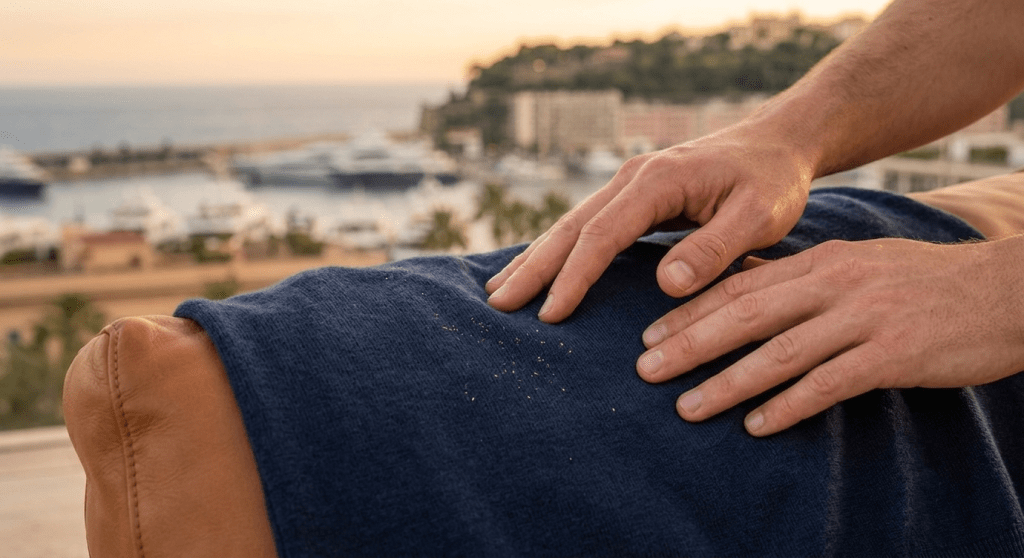
There’s a particular moment that happens the first time you put on a genuinely soft t-shirt. A small, almost involuntary reaction, somewhere between relief and surprise, that this is what fabric is supposed to feel like all along. Most shirts don’t trigger that reaction. The really good ones always do.
Softness isn’t just a nice bonus on top of an otherwise decent shirt. It’s often the single clearest signal of how that shirt was actually made, from the fiber chosen at the very start to the way it was woven, dyed, and finished before it ever reached a store shelf.
This article looks closely at what creates that unbeatable softness, why it tends to show up alongside genuine quality more often than not, and how to recognize both before you buy.
Why Some T-Shirts Feel Dramatically Softer Than Others
The softness of a t-shirt traces back almost entirely to the cotton fiber itself. Longer-staple cotton produces smoother, finer yarn, which translates directly into fabric that feels noticeably gentler against skin compared to shirts made from shorter, coarser fibers.
This is the foundation of what people often describe as a premium t-shirt experience. The softness isn’t artificial or temporary. It comes from the actual structure of the fiber, which means it tends to last far longer than a softness achieved through chemical treatments alone.
Combed Cotton and Why It Feels Different
Combed cotton undergoes an additional processing step that removes shorter, weaker fibers before spinning. The result is a more uniform, smoother yarn that feels noticeably softer than standard cotton, while also resisting pilling more effectively over repeated washes.
The Connection Between Softness and Genuine Quality
Softness and quality aren’t separate qualities that happen to show up together by coincidence. They’re deeply connected, since the same fiber choices and construction techniques that create exceptional softness also tend to create durability and longevity.
A shirt that feels incredible on day one but turns rough and thin within a few washes was never actually soft in any meaningful, lasting sense. Real softness holds up consistently, wash after wash, which is exactly what separates premium quality from a shirt that simply felt nice in the store.
Why Initial Softness Can Be Misleading
Some inexpensive shirts use fabric softeners or chemical treatments during manufacturing to create an artificially soft feel that doesn’t reflect the actual fiber quality underneath. This kind of softness fades quickly, often within the first few washes, once the surface treatment wears away.
Achieving a Luxury Style Through Tactile Experience
People often think of luxury style purely in visual terms, how something looks rather than how it feels. In reality, the tactile experience of clothing plays an enormous role in whether an outfit actually feels elevated once you’re wearing it, not just looking at it on a hanger.
A genuinely soft, well-made shirt contributes to this experience in a way that’s easy to underestimate until you’ve felt the difference directly. The visual simplicity of a plain tee pairs with a physical sensation that feels distinctly more refined than an average alternative.
Why Touch Matters as Much as Appearance
Clothing gets touched constantly throughout the day, against skin, against hands adjusting a collar, against whatever else brushes past it. This constant tactile contact means softness directly shapes how comfortable and put-together someone feels, independent of how the outfit looks from the outside.
Softness and Sensitivity: Why Fabric Choice Matters More for Some
Not everyone notices fabric texture to the same degree, but for people with sensitive skin, the difference between genuinely soft cotton and a rougher alternative can be the difference between a comfortable day and constant, low-level irritation. Seams, tags, and coarse fibers all become more noticeable for sensitive skin, making fabric quality a practical concern rather than just a preference.
Choosing fabric with longer-staple cotton and flat-seam construction reduces friction significantly, which matters considerably more for sensitive skin than it might for someone less affected by texture in general. This is one area where investing in better fabric pays off in comfort almost immediately, rather than only showing benefits over the long term.
Testing Sensitivity Before Committing to a Full Wardrobe
For anyone uncertain about how their skin reacts to different fabrics, starting with a single shirt rather than an entire multipack allows for a low-risk way to test comfort before committing further. This small step can prevent buying several shirts that ultimately don’t work well for sensitive skin.
Weave Structure and Its Role in Softness
Beyond fiber quality, how that fiber gets woven significantly affects the final texture of the fabric. Jersey knit, the most common t-shirt construction, creates a naturally soft, slightly stretchy fabric that drapes well against the body.
Tighter knit structures generally produce a smoother surface, while looser weaves can feel slightly rougher despite using similar fiber quality. This is part of why two shirts made from seemingly identical cotton can feel noticeably different once you actually touch them side by side.
Single Jersey Versus Heavier Knit Structures
Single jersey fabric tends to feel softest immediately, due to its lighter weight and looser drape. Heavier knit structures, while offering more durability and structure, can feel slightly less soft initially, though they often develop a pleasant, broken-in softness after repeated washing.
Creating a Polished Appearance Through Fabric Choice
A genuinely premium look isn’t only about cut or color. Fabric texture plays a significant, often overlooked role in how polished an outfit appears, even from a short distance. Soft, well-draping fabric tends to fall naturally against the body, creating a cleaner silhouette than stiffer, lower-quality alternatives.
This is part of why a simple, well-made shirt can look more elevated than a similarly styled outfit using cheaper fabric, even when the actual design is nearly identical.
Why Drape Affects Visual Perception
Fabric that moves naturally with the body tends to photograph and appear better in person than fabric that sits stiffly or clings awkwardly. This visual quality, closely tied to softness and fiber quality, contributes meaningfully to an overall premium look without requiring any additional styling effort.
Caring for Soft Fabric to Preserve Its Quality
Even genuinely high-quality, soft fabric needs proper care to maintain that softness over time. Washing in cold water protects fiber integrity, preventing the breakdown that leads to roughening and pilling after repeated hot water washes.
Avoiding fabric softeners with heavy synthetic coatings actually helps preserve natural softness better than using them, since some softeners leave residue that stiffens cotton fibers over time rather than keeping them soft.
Drying Habits That Protect Softness
Air drying, or using the lowest heat setting available, preserves both softness and shape far better than aggressive tumble drying. High heat breaks down cotton fibers more quickly, accelerating the loss of that initial softness considerably faster than gentler drying methods.
Finding a Genuine Yard of Deal Without Sacrificing Softness
Discovering this kind of softness doesn’t require paying full price every time. A real yard of deal on a genuinely well-made premium t-shirt tends to appear during seasonal transitions, when brands clear existing inventory to make room for new arrivals.
The smartest approach involves checking fabric quality directly, even during a sale, rather than assuming a discount automatically reflects lower quality. A quick touch test, rubbing the fabric between your fingers, reveals far more about actual softness than the price tag alone.
Why Patience Leads to Better Value
Watching specifically for a genuine yard of deal during legitimate clearance events, rather than rushing toward inflated flash sales, tends to produce noticeably better long-term results. Taking the time to feel the fabric directly, even while shopping a discount, ensures the savings apply to a shirt genuinely worth owning.
Conclusion
Experiencing unbeatable softness and premium quality starts with understanding where that softness actually comes from: fiber length, weave structure, and careful processing that creates a feel which holds up over time, rather than fading after a handful of washes.
Whether you’re tracking down a genuine yard of deal during a seasonal sale or simply paying closer attention to fabric quality on your next purchase, recognizing real softness helps separate a shirt that delivers a luxury style from one that only seems that way for a single wear. A genuinely premium look, in the end, comes from the inside out, starting with fabric that feels as good as it looks.
FAQs
What makes one cotton t-shirt feel softer than another? Fiber length plays the biggest role. Longer-staple cotton spins into smoother, finer yarn, creating a noticeably gentler feel against skin compared to shorter, coarser fibers.
Does artificially soft fabric indicate poor quality? Often, yes. Some inexpensive shirts use chemical softening treatments that wear off after a few washes, revealing rougher fabric underneath that wasn’t genuinely soft to begin with.
How can I check fabric softness before buying a t-shirt? Rub the fabric between your fingers and feel for smoothness and weight. Genuinely soft, quality fabric tends to feel substantial rather than thin or papery.
Does fabric drape really affect how an outfit looks? Yes. Fabric that moves naturally with the body creates a cleaner silhouette, contributing meaningfully to an overall polished appearance.
Is it possible to find genuinely soft, high-quality tees at a discount? Yes. Watching for a genuine yard of deal during legitimate seasonal sales, combined with checking fabric quality directly, often delivers excellent softness without paying full price.


